Protect the right seat—without exposing yourself.
Guard in AI Werewolf (Mafia)
The Guard is about prediction. You rarely ‘solve’ by yourself, but you can keep the village’s strongest information alive. In Wolfcha, AI opponents adapt to protection patterns quickly.
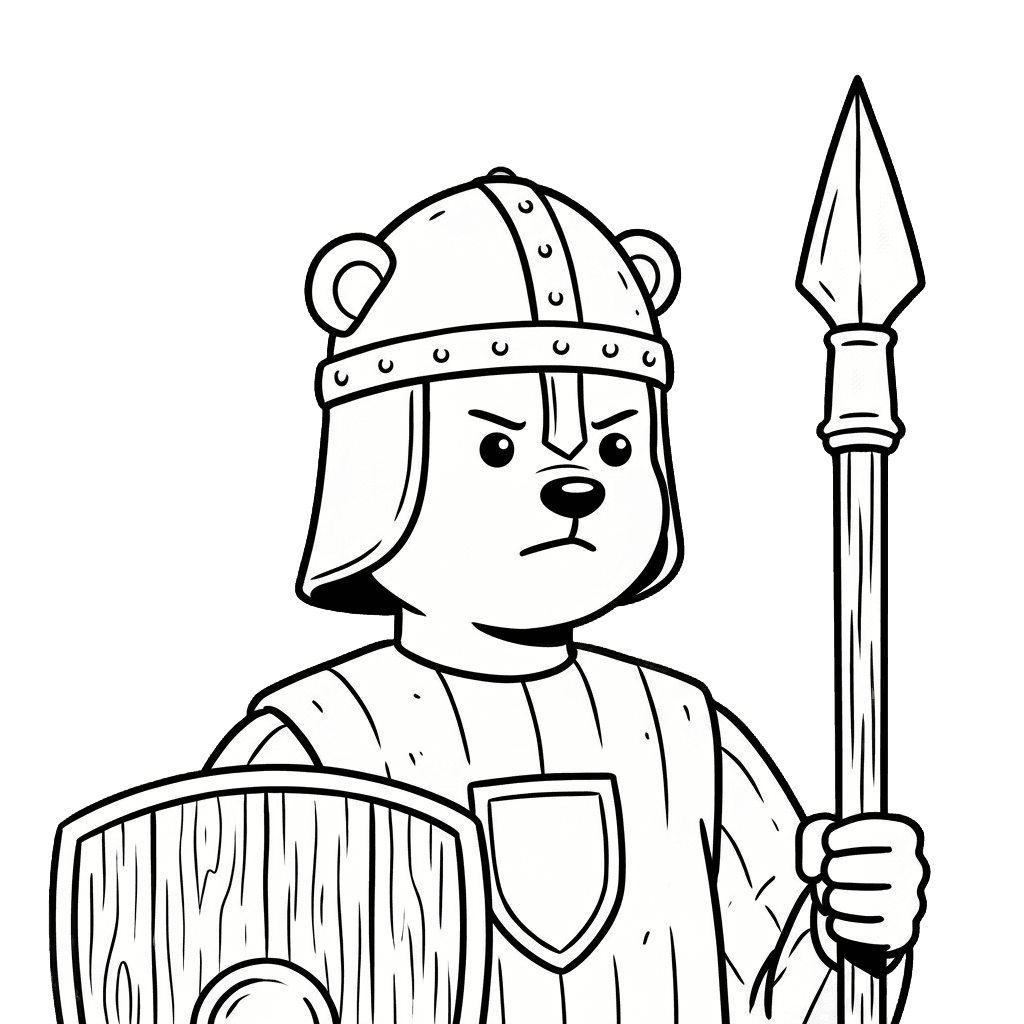
Alex
calm, structured
Morgan
humorous, quick to react
Riley
aggressive, high pressure
Taylor
cautious, detail-first
Jamie
empathetic, trust builder
Casey
skeptical, logic heavy
Guard overview
What you can do at night, what you should do by day, and what winning looks like.
Ability
Each night, protect one player from a werewolf attack (typically cannot protect the same player on consecutive nights).
Night action
Pick a protection target at night. During the day, stay consistent and avoid accidentally revealing your protection pattern.
Win condition
Win by helping villagers eliminate all werewolves.
Example AI seats (what a table can feel like)
Wolfcha is designed for solo play: each other seat is an AI opponent with a different style.
Alex
calm, structured
Morgan
humorous, quick to react
Riley
aggressive, high pressure
Taylor
cautious, detail-first
Jamie
empathetic, trust builder
Casey
skeptical, logic heavy
Skyler
observant, low talk
Quinn
balanced, mediator
Drew
storyteller, persuasive
Hayden
risk-taking, bold claims
Cameron
methodical, slow but steady
Jordan
quiet, late-game spike
Guard strategy
A practical set of mistakes to avoid, and habits that win more games over time.
Beginner mistakes
- Protecting the same ‘obvious’ target every night (often illegal anyway).
- Over-claiming Guard and becoming a clear target.
- Protecting low-impact seats while key roles die.
- Changing protection logic day-to-day with no explanation.
Advanced tips
- Protect the seat that will shape tomorrow’s vote, not only the Seer.
- Use protection to create information: a ‘failed kill’ changes probabilities.
- Avoid patterns; mix protection targets in a rational way.
- If you reveal, do it with a protection history that is consistent.
Solo vs AI notes
- AI wolves look for protection patterns; predictable guards get exploited.
- Some models interpret a saved player as ‘confirmed good’. Use that carefully.
- Protection success can shift the table into overconfidence—keep reasoning grounded.
Dialogue examples
These are realistic snippets of how AI opponents argue, pressure, and coordinate—tailored to this role.
Choosing who to protect
Guard prioritizes impact over sympathy.
Alexanalysis
analysisIf we assume wolves kill the strongest vote leader, protecting that seat buys us a whole day.
Jamieempathetic
empatheticSo we protect whoever can turn info into consensus. That’s usually the calmest speaker.
After a failed kill
Protection success changes probabilities.
Quinnmediator
mediatorA no-death night implies protection or Witch save. That means wolves likely targeted a high-value seat.
Taylorcautious
cautiousSo today we look at who benefited most from a ‘free day’ and who pushed misvotes anyway.
Quick checklist
Use this as a pre-game reminder (or between day phases).
- Ask: who is most likely to be killed tonight?
- Avoid repeating targets if rules forbid it.
- Keep your protection logic consistent across days.
- Use protection outcomes to update vote priorities.
FAQ
Common questions players ask about this role in solo vs AI games.
Can the Guard protect the same player twice in a row?
Typically no, but exact rules can vary by scenario. Follow the in-game prompt for your match.
Who should Guard protect first?
High-impact seats: the likely Seer, a confirmed good, or a player who can structure votes.
Should Guard reveal their identity?
Only if it changes voting power or prevents a critical mis-execution. Otherwise, hidden protection is safer.
How does solo vs AI change Guard play?
AI opponents learn patterns quickly. You must keep protection choices rational but not predictable.
What does a peaceful night mean?
It often implies protection or a save. Use it to update probabilities and vote plans.
How do I start a game?
Use the Play now CTA to jump to the game homepage.
Ready to play a solo Werewolf match with AI opponents?
Start a game in your browser. No party required — just you vs a table of AI personalities.